NS Politics

Everything is politics, at least to someone.

Tag: economics

  • Imperial Oil (ExxonMobil) Cuts Jobs

    ExxonMobil Leaves Loves Canada!
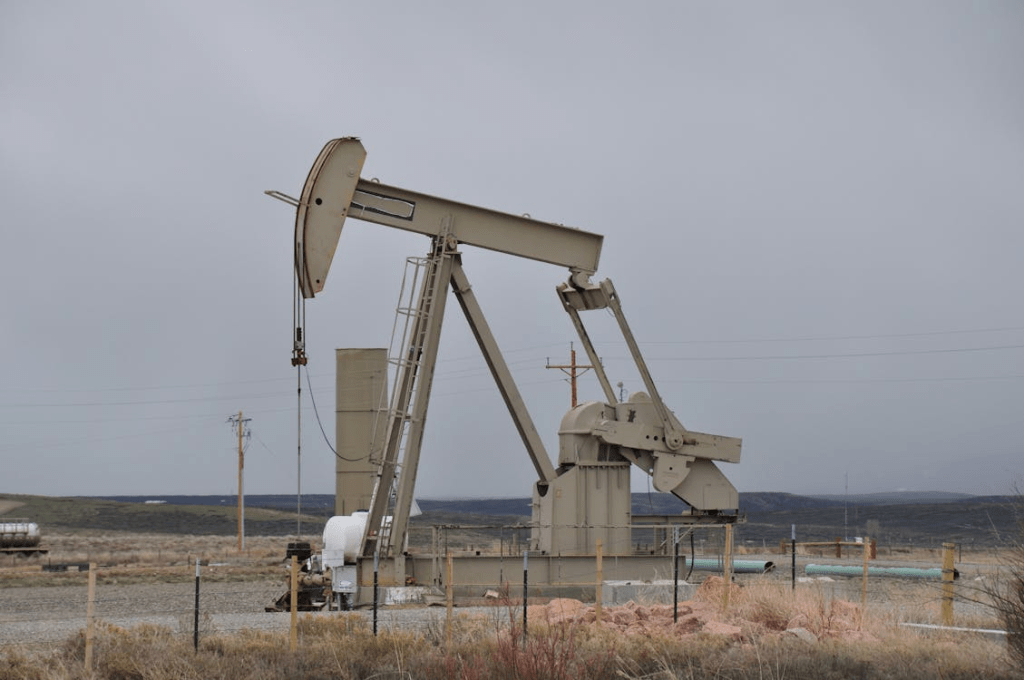
    You can’t make us pay to clean this up once we’re done either.

    We at ExxonMobil would like to remind Canadians that as the owner of 70% of Imperial Oil we call all the shots. Including inserting all the highest executives. And at Imperial Oil (and/or ExxonMobil depending on any legal issues that may or may not arise, we are legally two different companies, don’t get it twisted) we believe our people are our greatest strength.

    As long as they don’t cost too much.

    And while we might be legally and realistically obligated to keep a certain number of operators and technicians to keep a plant running we realized that design, optimization, and compliance are huge areas to potentially streamline our operations. And we are passing the savings on to you, the shareholder! So it is with great pride we announce that we have the privilege of laying off 900 Canadians.

    You are a shareholder right? We wouldn’t want to miss out on this golden opportunity!

    We have spent the last 5+ years innovating the art of offshoring jobs. Conventional wisdom said that natural resource jobs seem land locked to the country they are found within. But we wanted to think bigger and leverage our position as a global mega corporation to take those good paying jobs and put them in India instead! Because those good paying jobs don’t pay as well there! Did you think your family member who went for an engineering degree had safe job prospects? Not if we can help it. Tell them to buy stocks.

    We all have to face the hard facts that despite Canada’s oil and gas sector making money, it simply doesn’t make as much as it could. Like it does in other countries that are easier to plunder. Canada needs to look inwards and ask how it can make itself competitive in the global market. The cost of Canadian workers is just not something our shareholders can bear.

    We look forward to not having to pay the retirements we promised those employees when they joined. It’s a harsh world for anyone without capital. Our company knows this because we worked hard for our capital by destroying the global climate. The people we grace with continued employment will just have to work harder to pick up the slack of two other workers. The sense of pride and accomplishment they get for their works will no doubt improve their lives.

    We will usher in a new era of Christian work ethic!

    For the poor.

    They should have been born rich, or have retired at age 55 in 2007.

    Disclaimer:

    The author of this post does not speak on behalf of ExxonMobil or Imperial Oil, which should be obvious from the content. The author merely wishes to express discontent that there never seems to be such a thing as enough profit, regardless of the lives upturned as a result. And a real government would not let those jobs be off shored to places that do not pay taxes or live in our communities.

    Some true facts:

    It is worth noting that less than two years ago Imperial Oil, in agreement with ExxonMobil as the primary shareholder, bought back approximately $1.5 billion in its own shares. A move one does when it has no interest in investing in anything but wants its share price to go up.

    Imperial Oil has also been operating at a profit in the billions of dollars each year since 2021, with 2022 being a record year. But global oil prices have been slipping so it’s time for the chainsaw.

  • Untax and Spend.

    I’m the last registered socialist.

    Today Prime Minister Carney announced that Canada will hit the NATO 2% of GDP target for military spending within the next year. This was inevitable, or at least moving in this direction was. It’s as close to a bipartisan issue within the NATO countries you could hope to find. It will help Canada’s credibility if we try to shore up defence agreements with Europe, as the USA starts indicating it doesn’t want to include us (or Europe based on the leaked signal chats) anymore.

    As much as I might dream morally of a world with no need for military and war, we don’t live in that world. All evidence points to humanity being too confrontational for that message to hold long. Coca-Cola and Pokemon Go only brought us together for so long.

    From the Coca-Cola website themselves, “I’d like to buy the world a coke” Ad from 1971. At least Pokemon Go brought us together a bit more organically.

    So defence spending will have benefits in certain places and to certain people. Like any government spending that isn’t just sent to the shadow realm.

    But turning government spending into more government revenue is a trick only a tax collection agency can pull. So this spending will either increase the deficit, require new taxes, or require cuts elsewhere. Carney indicated cuts elsewhere were likely. After all, he has just cut taxes. Everyone is cutting taxes. Because cost of living is rapidly reaching levels of unbearable and a large cohort of people might revolt if nothing happens to bring it down.

    In the short term this is fine. In the long term we might be kicking a debt crisis down the road where tough decisions will be made at the expense of a lot of people. Again. Recessions are cyclical. Hurrah.

    What seems to baffle us about the economy we created is how to fairly tax income, sales, investments, and corporations. As long as we don’t pull a Romney and get people and corporations confused the answer to this seems to depend entirely on what you hold. Income and sales taxes impact the lower wealth bracket of working age people, most which seems to be the driver of all the recent tax cuts. Capital gains on investments were pitched to be raised, but that was a different Prime Minister so that has since been scraped. Investments do benefit people besides the rich, if you have parents thinking about retirement they are probably relying on them at least partially. Like the cost of housing, once you own them you don’t really want the price to go down or taxes to go up. And I doubt most economic analysts would recommend raising taxes on corporations during a trade war against an American president trying to get them to leave our country for the USA.

    What about wealth? This would probably be the most popular among the general population if we can find a way to do it. Easier said then done I’m sure, since corporations with a lot of money have figured out ways to avoid paying taxes by moving country flags around like a cruise ship. I love a good race to the bottom. It would at least be worth figuring out a method to prevent rich people from taking out loans against their assets, which isn’t taxed since they never sell anything and loans aren’t taxed. Neat trick with Twitter Elon, I wish you nothing but the worst with your Trump breakup.

    So income and sales taxes went down and… nothing else really changed. So government income is lower… and spending is going to be higher. Unless we create growth.

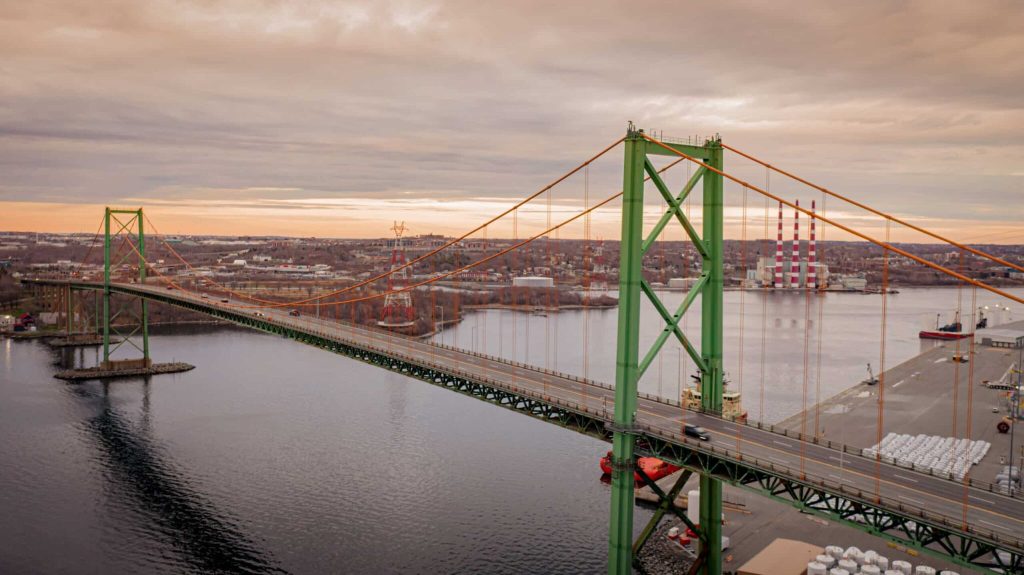
    From halifaxharbourbridges.ca Removing the tolls on the harbour bridges has benefited me but it will cost the province, and thus all provincial taxpayers.

    How do we create that growth? Well resources tend to be taxed differently, companies can’t really bypass resource revenue but it isn’t stable since it depends on the price of the resource. But still, it’s a guaranteed winner for a government looking for more income. Thus the incentive to chase what’s in the ground.

    Do we need more investment? More entrepreneurs? I don’t know, I’m an idiot and would need some experts to advise on what’s possible and advisable. But as someone firmly within the working age that income matters, maybe we should have given the capital gains increase a try.

    And Now, An Aside on Marginal Income Tax Brackets

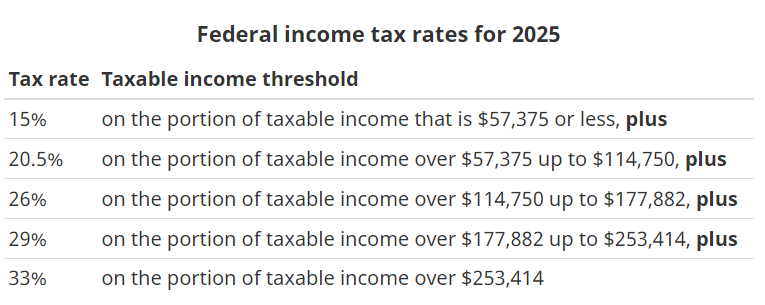
    If you aren’t aware of how income taxes work in Canada it’s worth knowing the basics of marginal income tax brackets. A salary increase is ALWAYS WORTH TAKING, your take home pay will go up no matter how close you are to the next bracket. There is an argument for some people to chose between overtime pay vs time off in lieu, but that’s a calculation of how much the extra time off is worth to you compared to the money.

    A flat tax is a scheme by the rich to make themselves richer.

    Notice how these are bands. If you made $300k in income, you only get taxed 33% on the last $43k of your income ($300k-$253k). Note this only federal tax rates, but provincial income taxes work the same way.

  • What Minerals Do To A Community

    Easy decisions rarely exist when it comes to natural resources. Shame since I feel like we are due for an easy one.

    As the NS provincial government tries to scope interest in minerals that may or may not be present within the province it might be worth thinking about the general impacts they have on an area.

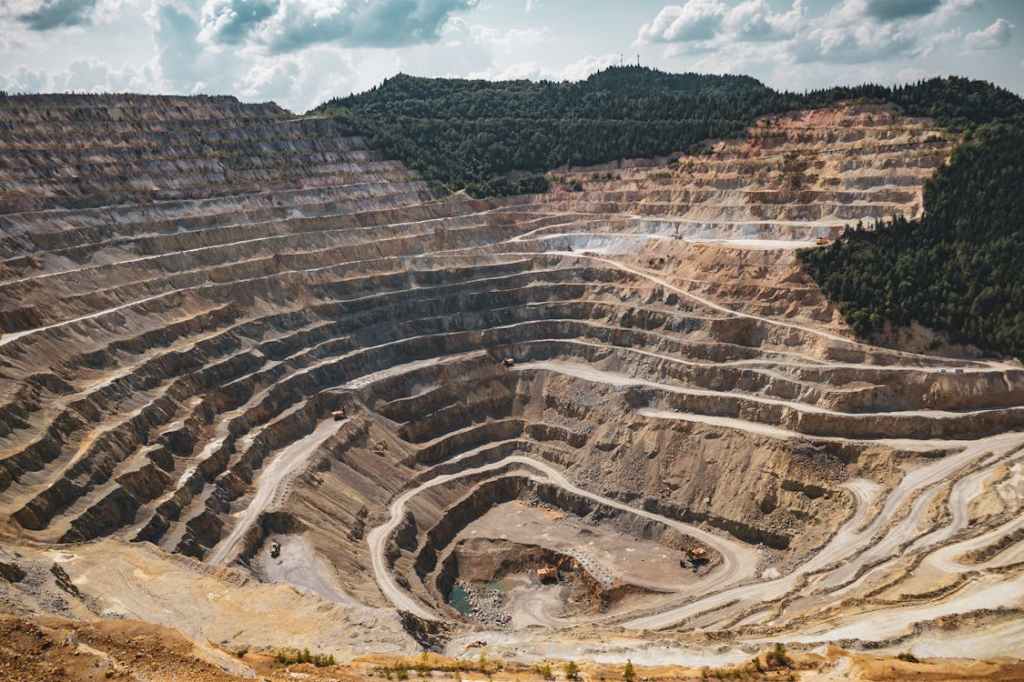
    The dream.

    Hurry Up and Wait

    Considering this is at the exploration stage we have no confirmed projects to review at the moment. You might know there’s some oil or some uranium somewhere, but you have to figure out quality and cost to extract before you can even make a call if it’s worth getting. Thus exploration first.

    Environmentally, mining anything is never a beneficial activity for the local area. Best case you have no effects and just hold a healthy side of risk. And risks are never zero, there’s not enough money and tech in the world to reduce all risk to zero. The exact environmental risks will depend on what is found and how you extract and process it. The Fort McMurray oil sands for example is near the surface so not hard to find, but it is hard to process oil out of sand. It takes a lot of hot water which results in energy spent to heat it and tailing ponds to hold it. Containment is key and not perfect, Imperial Oil being the most recent large case of spillage.

    A community that’s not in hard times likely won’t want this kind of risk. The counterpoint is an argument for the collective, some risks are worth the benefits after all. So what do we get out of it.

    What We Get

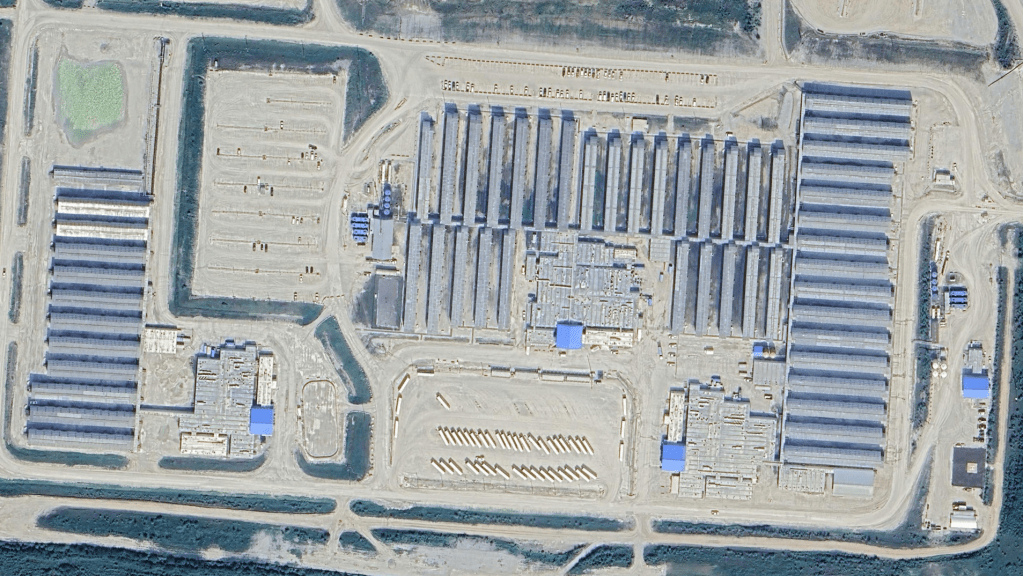
    JOBS! This depends heavily on process. To get a lot of jobs you need something that’s very profitable but requires a lot of maintenance to keep running. Project construction is a lot of jobs initially, but it’s cyclical at best and I would caution against too much excitement to that kind of growth. Companies also love talking about how many indirect jobs they create. It is true in the case of long-term jobs, because if more people live in a place to work, more jobs will be induced by that population (more people need more teachers, more stores, etc). This assumes those workers live in local communities, the benefit will be way lower if remote work camps are built instead.

    Taken from Google Earth. Work camp north of Fort McMurray, AB. Beware, fly-in/fly-out workers don’t benefit the local community much.

    TAXES! Resource revenue is a hell of a drug, get enough of it and you can drop taxes to the floor. For those unaware, Alberta has no provincial sales tax (only the 5% federal tax rate applies) and income tax starts at 8% for the first $60k and only 10% up $151k. As a result the vast majority of government revenue is from oil and gas, so the provincial balance sheet is tied to the price of oil. A best case scenario is the model Norway took to build their oil investment fund now valued at over $1.7 Trillion USD, based on the true realization by their government that their oil will eventually run out. But boy a politician sure looks cool if they can lower taxes today.

    What To Expect When You’re Expecting (a Mine)

    Construction pains. Big projects require a lot of people for the build, and in a rural town they’ll need places to stay. Hotels will be full and it can make the local housing market go crazy if the construction phase is measured in years as temporary people look for apartments to rent. A good time to sell for residents, not a good time to buy for newcomers.

    It’s raining men. Gender parity has not hit construction or trade jobs. If a lot of jobs are created expect a lot of men. I highly recommend the graphical novel Ducks by Kate Beaton for a female perspective on working in the oil sands and its human costs.

    Potential for pretty large wage disparities. This depends entirely on how desperate a worksite is to attract the workers it needs but the market will continue to pay the lowest rate. Resource jobs have tended to pay well for remote and difficult work which might not follow to the rest of the economy. People with too much money and not enough to do don’t always make the best neighbours.

    Giving our grandchildren another ghost town. Resources are limited, markets change, nothing is forever. Something will have to be cleaned up eventually. We have a bad tendency to ignore it when we know we won’t have to deal with it ourselves due to our inevitable death.

    Final Stuff

    None of this is guaranteed. It is so dependant on if anything is found and the specifics. But politicians have to pitch growth (I guess), and resources are an exciting low investment possibility for a government so long as approvals don’t get in the way. After all, industry hates uncertainty, exploration is already gambling so why also gamble with approvals. Politicians need to signal we are open for business to get interest and take the backlash later.

    Bring attention to concerns, ask the hard questions, get mitigation in legislation. Don’t believe a company that tells you they’ll do something in the approval stage when no one writes the regulation. Complacency and cost effectiveness will win out in a few years time.