Easy decisions rarely exist when it comes to natural resources. Shame since I feel like we are due for an easy one.
As the NS provincial government tries to scope interest in minerals that may or may not be present within the province it might be worth thinking about the general impacts they have on an area.
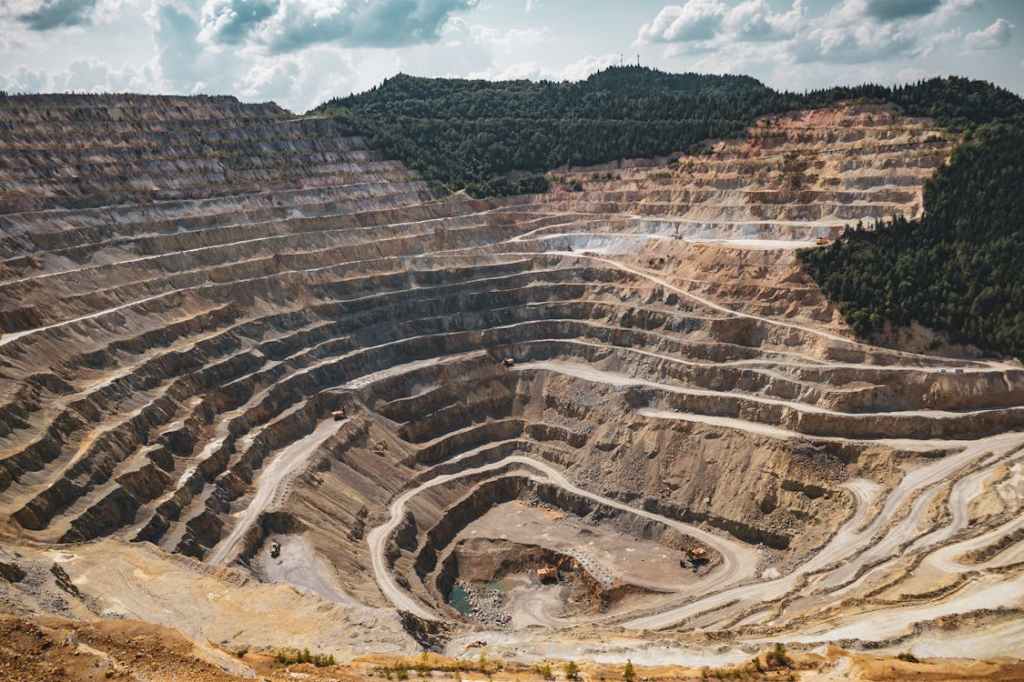
The dream.
Hurry Up and Wait
Considering this is at the exploration stage we have no confirmed projects to review at the moment. You might know there’s some oil or some uranium somewhere, but you have to figure out quality and cost to extract before you can even make a call if it’s worth getting. Thus exploration first.
Environmentally, mining anything is never a beneficial activity for the local area. Best case you have no effects and just hold a healthy side of risk. And risks are never zero, there’s not enough money and tech in the world to reduce all risk to zero. The exact environmental risks will depend on what is found and how you extract and process it. The Fort McMurray oil sands for example is near the surface so not hard to find, but it is hard to process oil out of sand. It takes a lot of hot water which results in energy spent to heat it and tailing ponds to hold it. Containment is key and not perfect, Imperial Oil being the most recent large case of spillage.
A community that’s not in hard times likely won’t want this kind of risk. The counterpoint is an argument for the collective, some risks are worth the benefits after all. So what do we get out of it.
What We Get
JOBS! This depends heavily on process. To get a lot of jobs you need something that’s very profitable but requires a lot of maintenance to keep running. Project construction is a lot of jobs initially, but it’s cyclical at best and I would caution against too much excitement to that kind of growth. Companies also love talking about how many indirect jobs they create. It is true in the case of long-term jobs, because if more people live in a place to work, more jobs will be induced by that population (more people need more teachers, more stores, etc). This assumes those workers live in local communities, the benefit will be way lower if remote work camps are built instead.
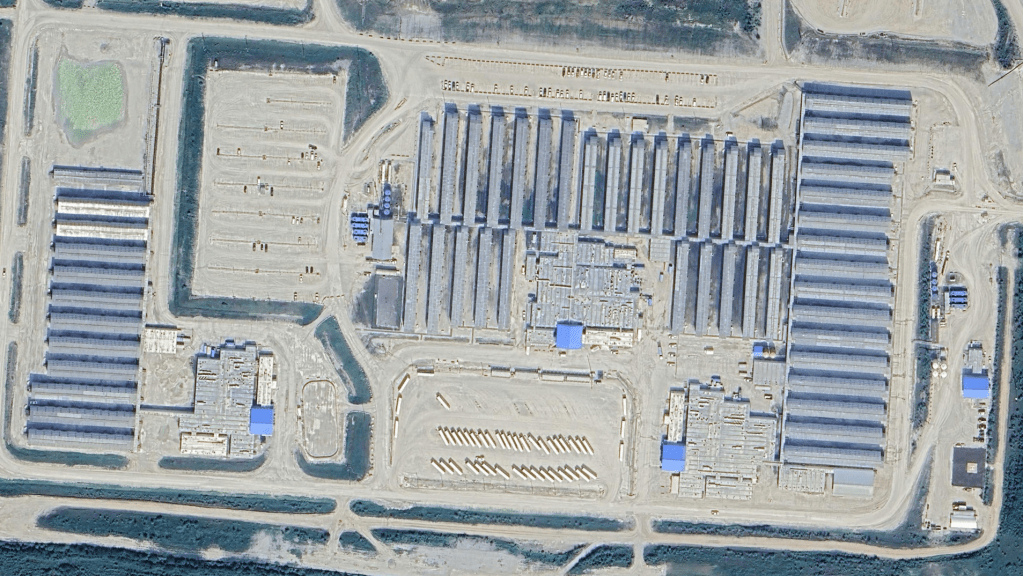
Taken from Google Earth. Work camp north of Fort McMurray, AB. Beware, fly-in/fly-out workers don’t benefit the local community much.
TAXES! Resource revenue is a hell of a drug, get enough of it and you can drop taxes to the floor. For those unaware, Alberta has no provincial sales tax (only the 5% federal tax rate applies) and income tax starts at 8% for the first $60k and only 10% up $151k. As a result the vast majority of government revenue is from oil and gas, so the provincial balance sheet is tied to the price of oil. A best case scenario is the model Norway took to build their oil investment fund now valued at over $1.7 Trillion USD, based on the true realization by their government that their oil will eventually run out. But boy a politician sure looks cool if they can lower taxes today.
What To Expect When You’re Expecting (a Mine)
Construction pains. Big projects require a lot of people for the build, and in a rural town they’ll need places to stay. Hotels will be full and it can make the local housing market go crazy if the construction phase is measured in years as temporary people look for apartments to rent. A good time to sell for residents, not a good time to buy for newcomers.
It’s raining men. Gender parity has not hit construction or trade jobs. If a lot of jobs are created expect a lot of men. I highly recommend the graphical novel Ducks by Kate Beaton for a female perspective on working in the oil sands and its human costs.
Potential for pretty large wage disparities. This depends entirely on how desperate a worksite is to attract the workers it needs but the market will continue to pay the lowest rate. Resource jobs have tended to pay well for remote and difficult work which might not follow to the rest of the economy. People with too much money and not enough to do don’t always make the best neighbours.
Giving our grandchildren another ghost town. Resources are limited, markets change, nothing is forever. Something will have to be cleaned up eventually. We have a bad tendency to ignore it when we know we won’t have to deal with it ourselves due to our inevitable death.
Final Stuff
None of this is guaranteed. It is so dependant on if anything is found and the specifics. But politicians have to pitch growth (I guess), and resources are an exciting low investment possibility for a government so long as approvals don’t get in the way. After all, industry hates uncertainty, exploration is already gambling so why also gamble with approvals. Politicians need to signal we are open for business to get interest and take the backlash later.
Bring attention to concerns, ask the hard questions, get mitigation in legislation. Don’t believe a company that tells you they’ll do something in the approval stage when no one writes the regulation. Complacency and cost effectiveness will win out in a few years time.
 NS Politics